Step 1: the initial question
I love wide-angle lenses, but my work has always spanned a range of focal lengths – from very wide to short telephoto.
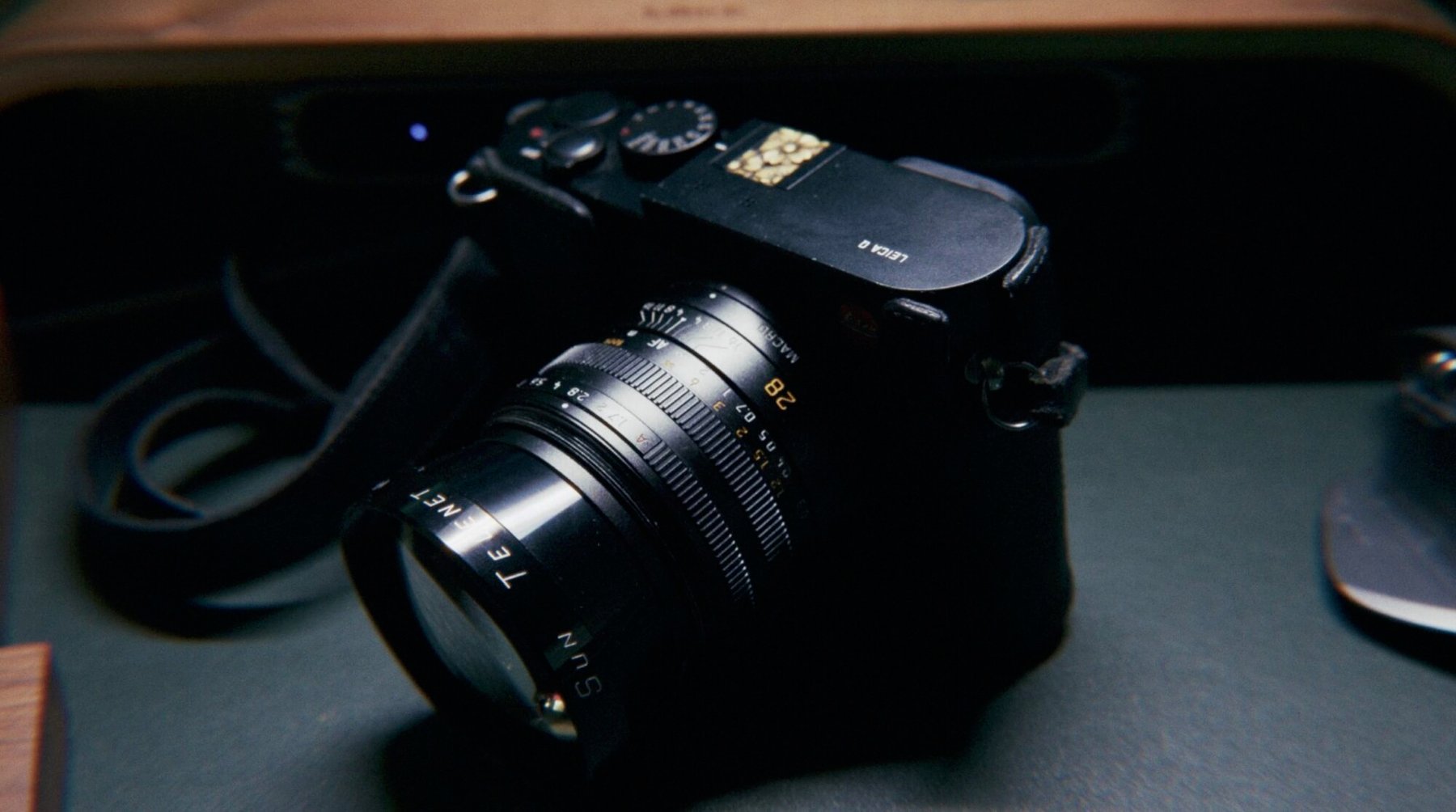
So the question was simple: is there a way to change the look of the Leica Q without cropping and without pretending it’s something it isn’t?
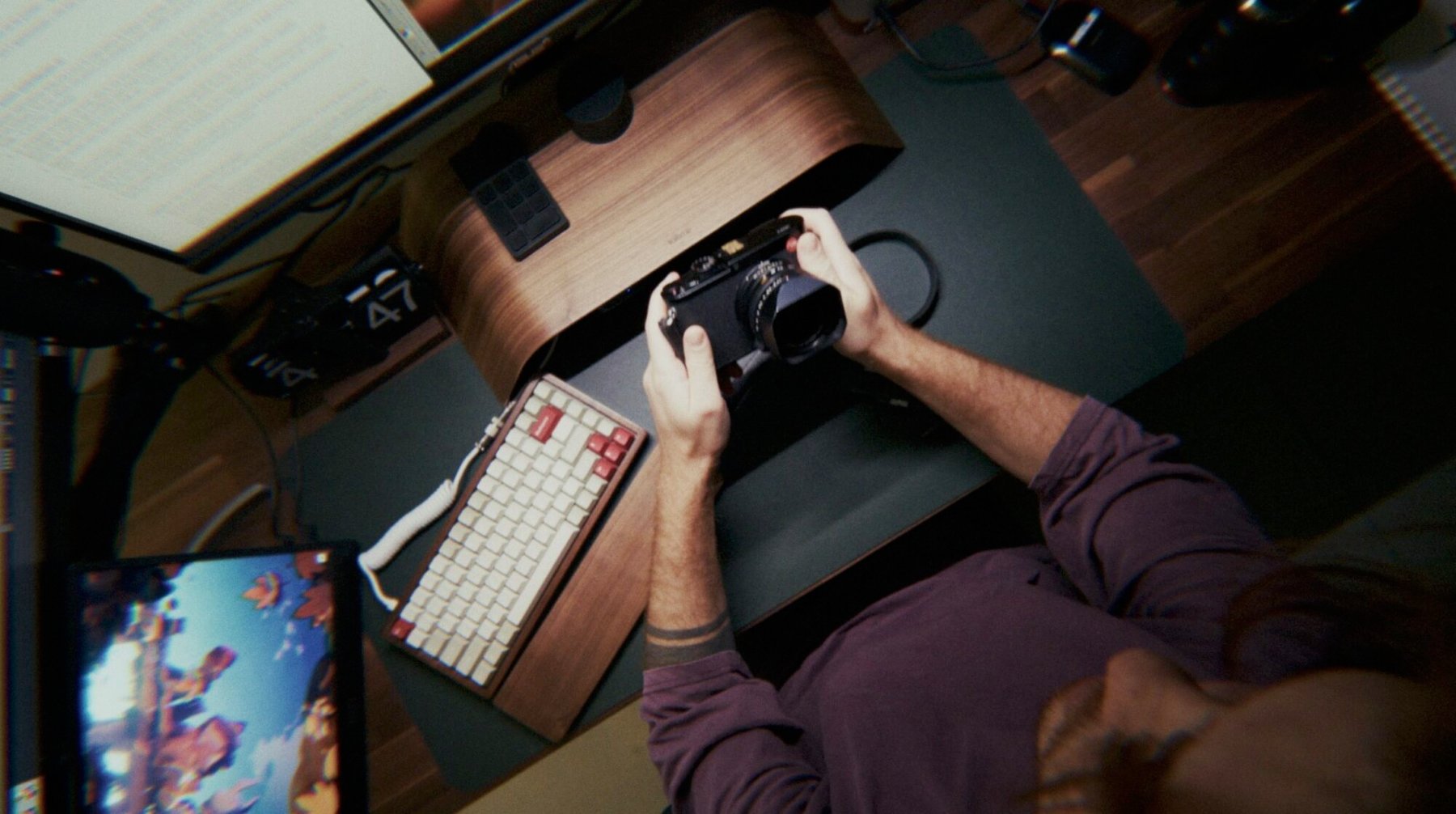
I’d done something similar years ago with a Fujifilm X100 and its dedicated conversion lenses. That memory was what set everything in motion.
Step 2: Understanding conversion lenses
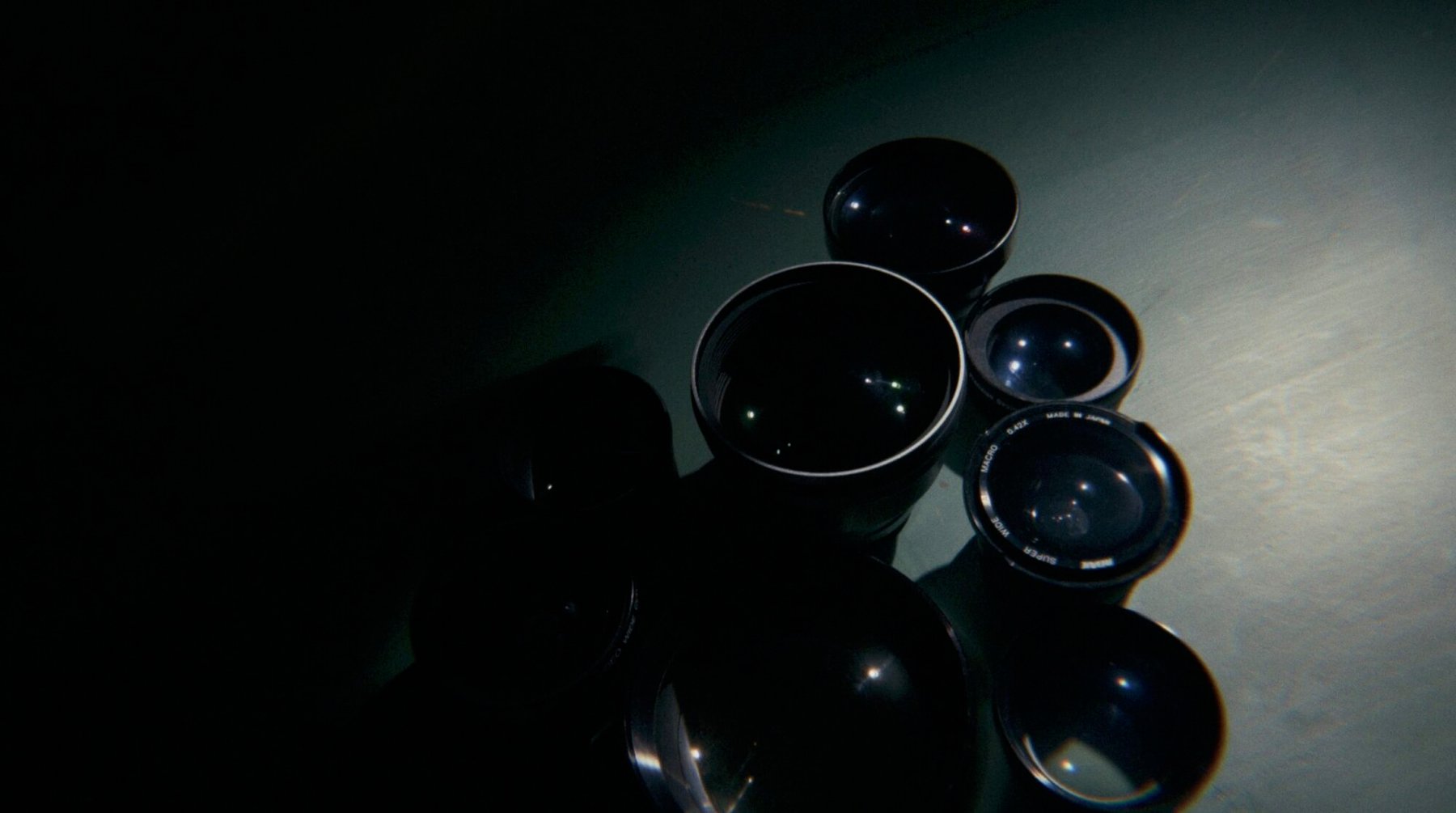
A conversion lens is an optical element that screws onto the front of a lens.
It is not cropping, and it is not the same as changing lenses. It physically alters the light path, introducing its own trade-offs, characteristics and limitations.
They were originally designed to extend the capabilities of fixed-lens cameras without requiring a change of system. Exactly the sort of solution I was looking for.
Step 3: the main problems
Very quickly, three issues became clear:
Almost all conversion lenses are no longer in production and are now regarded as vintage.
Documentation is poor or non-existent. Often, even the sellers do not know what they are selling.
Most of these lenses were never designed for full-frame coverage, which means vignetting and a loss of image quality were highly likely.
From that point on, I began to look into the practical details: thread size, physical dimensions and actual usability – not just the stated focal lengths.
Step 4: two working hypotheses
I went ahead with two ideas:
There should be at least one way to make the 28mm both wider and longer.
Starting with a shorter focal length, such as the Leica Q3’s 43mm, should make things easier thanks to a narrower field of view.
Step 5: real-world testing
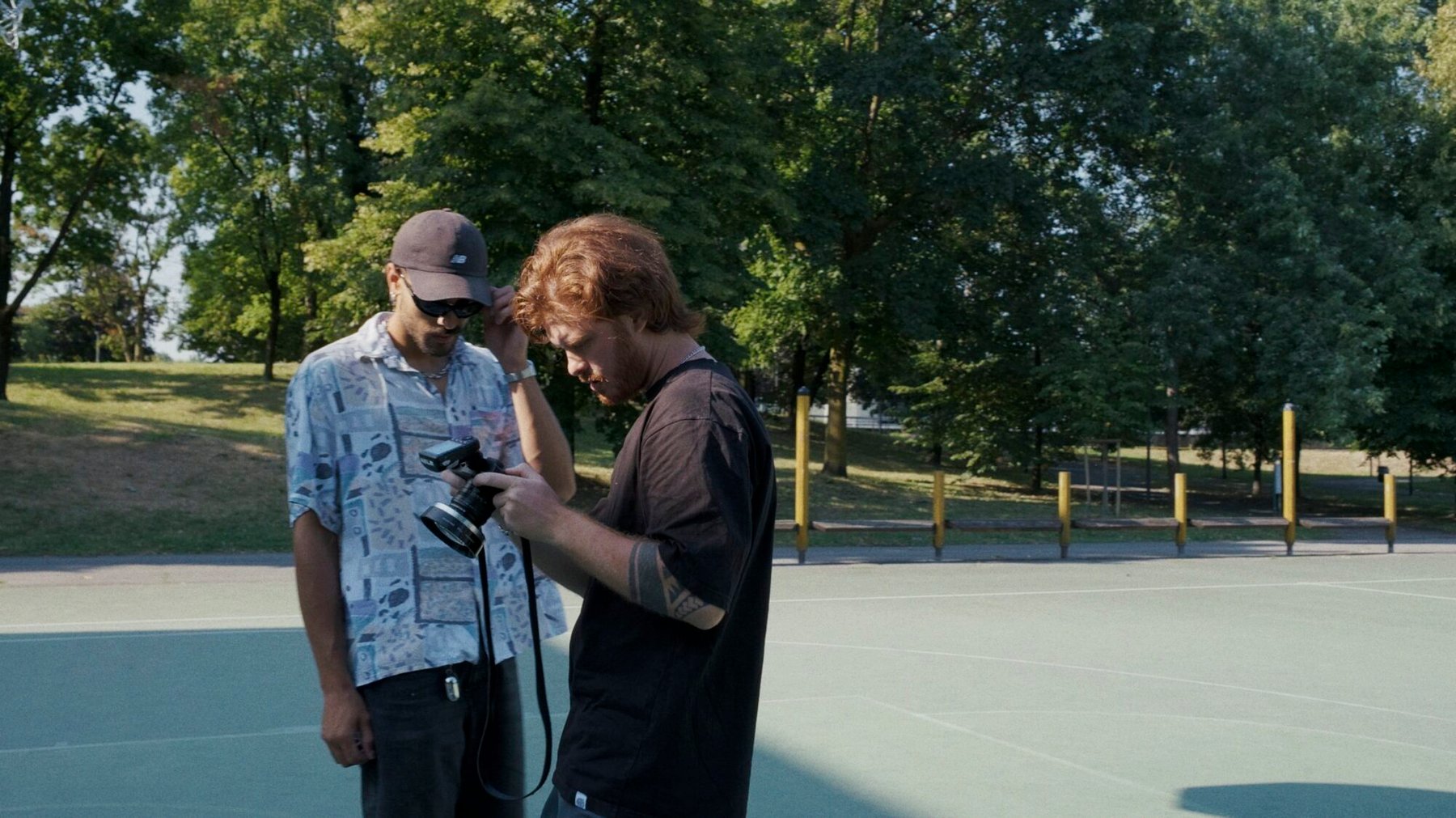
After about two months of research and shopping, I stopped testing at home and moved on to real shoots.
During a photoshoot with Beatrice, I tested the most promising lenses, bearing two questions in mind:
Do they significantly alter the appearance of the image?
Can they be swapped quickly during a shoot?
At that stage, I was testing a wide-angle conversion lens with a magnification of around 0.43x and a vintage Canon telephoto conversion lens with a magnification of around 1.4–1.5x, both of which had very distinct visual characteristics.
Step 6: separating wide-angle and telephoto lenses
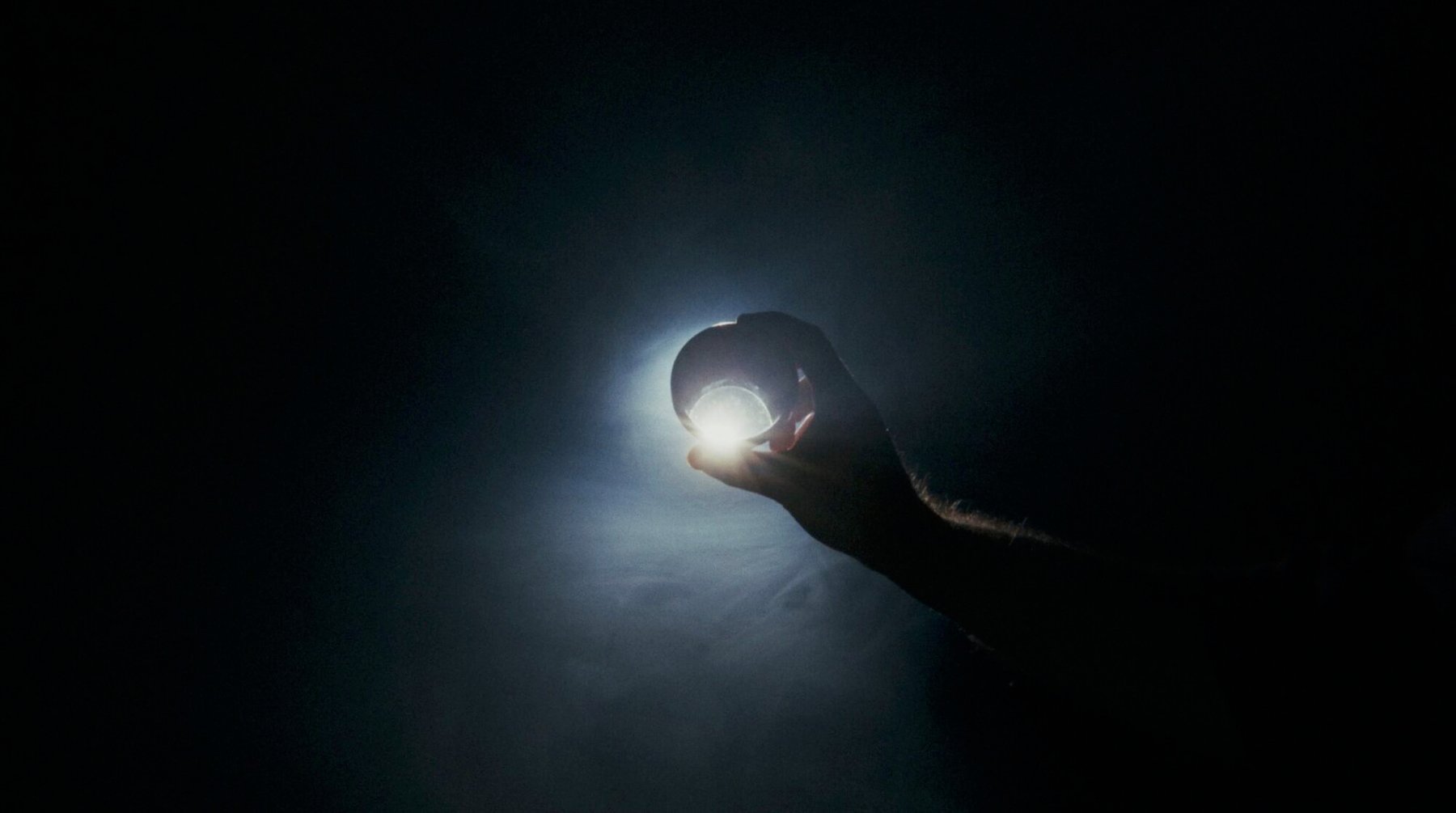
After more than three months, the pattern became clear:
Wide-angle conversion lenses on a 28mm lens caused so much vignetting that they often looked like fisheye lenses.
Tele conversion lenses reduced the usable sensor area so much that cropping was unavoidable.
Even so, one pair stood out:
Chinon 0.8x on the wide side, bringing the focal length close to 20mm.
Sun Telenet Mini 35 on the TV side, bringing it close to 40mm with relatively controlled vignetting.
Unfortunately, the Chinon I found was in very poor condition and never turned out to be the neat solution I had hoped for.
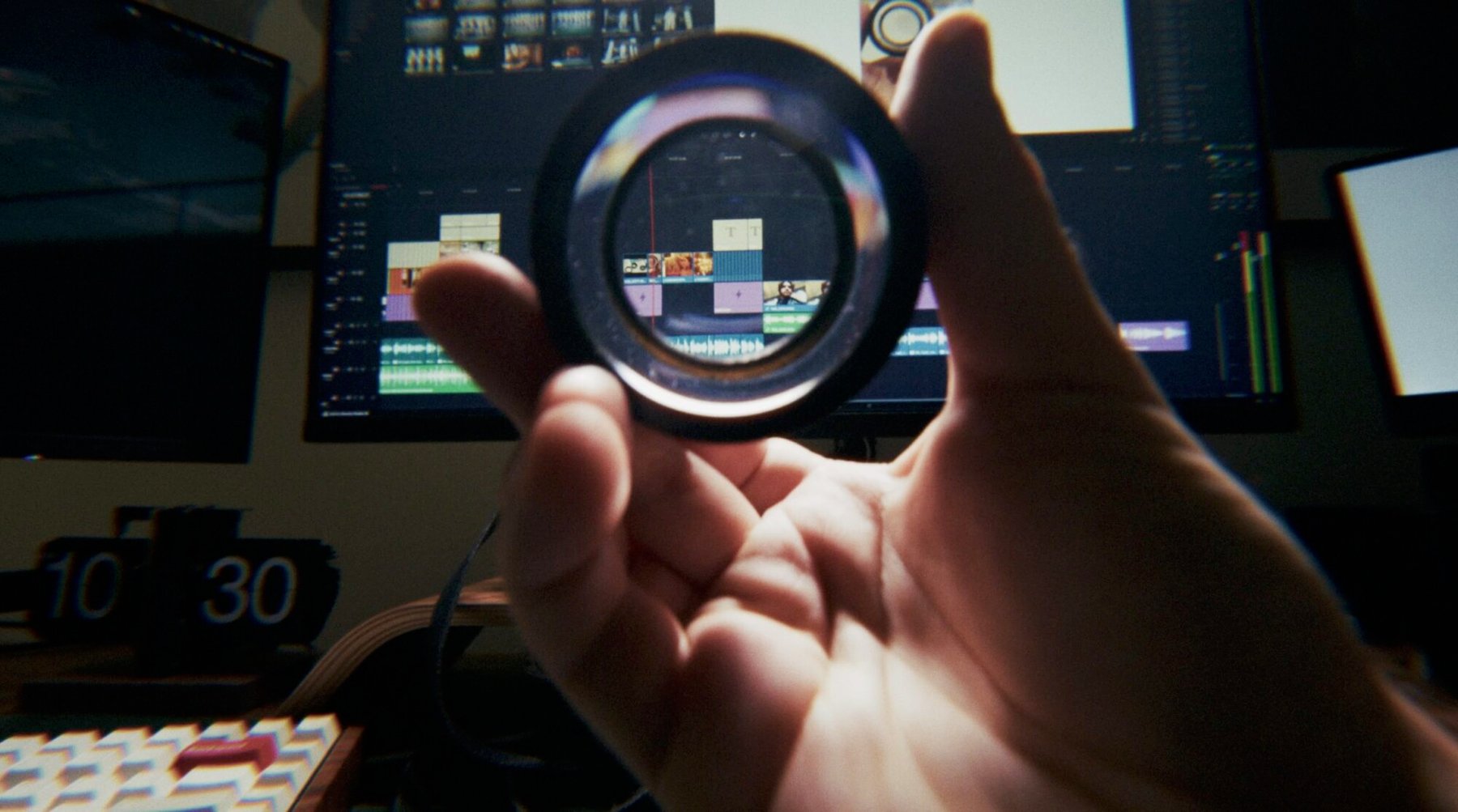
Step 7: the real breakthrough. The perfect lens
I kept thinking there must be something like the Mini 35, but bigger.
That is how I came across the Sun Telenet EE, which was originally designed for the Canon EE system.
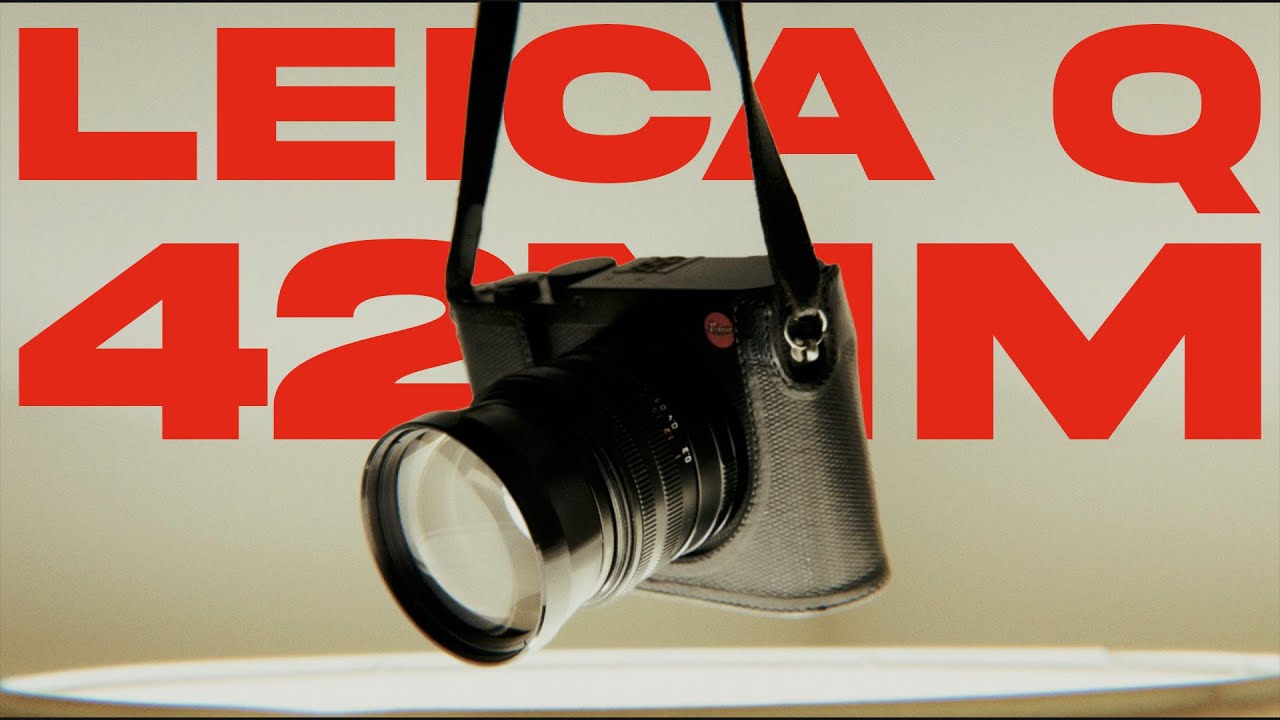
With a magnification factor of around 1.5x, it effectively turns the Leica Q 28mm into a 43mm lens. It is larger, but still portable, and its 55mm thread makes fitting it much easier.

Step 8: final field test
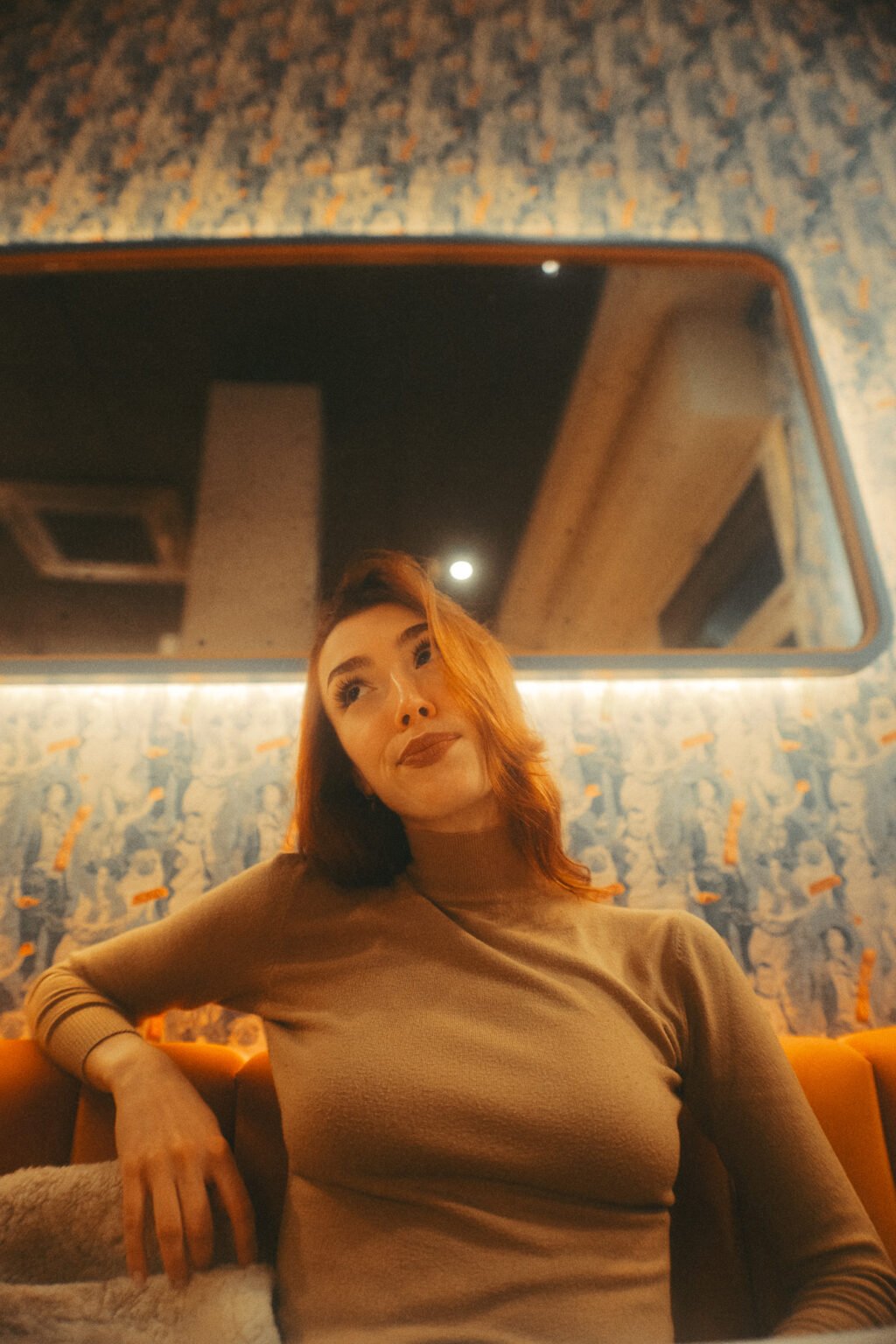
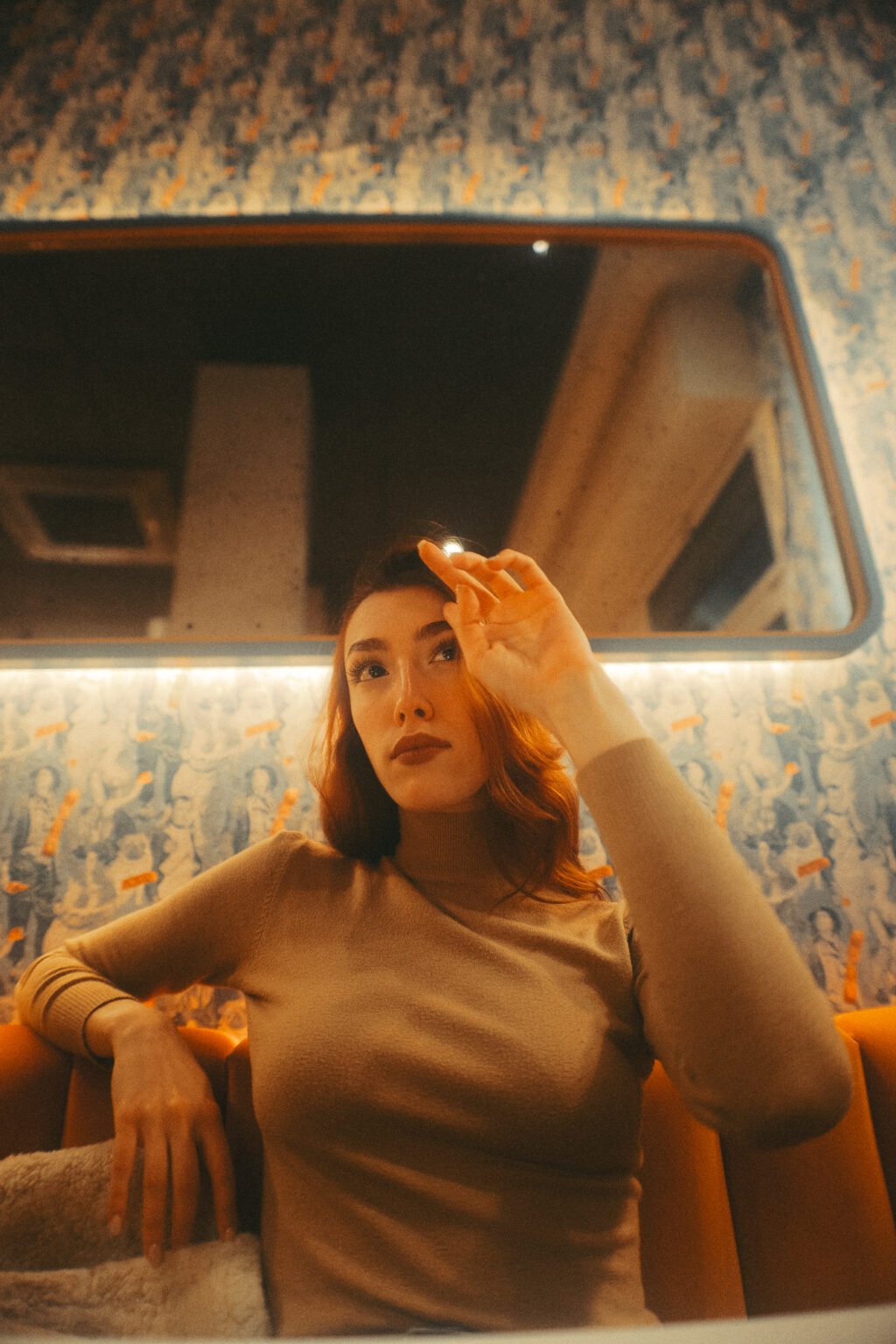
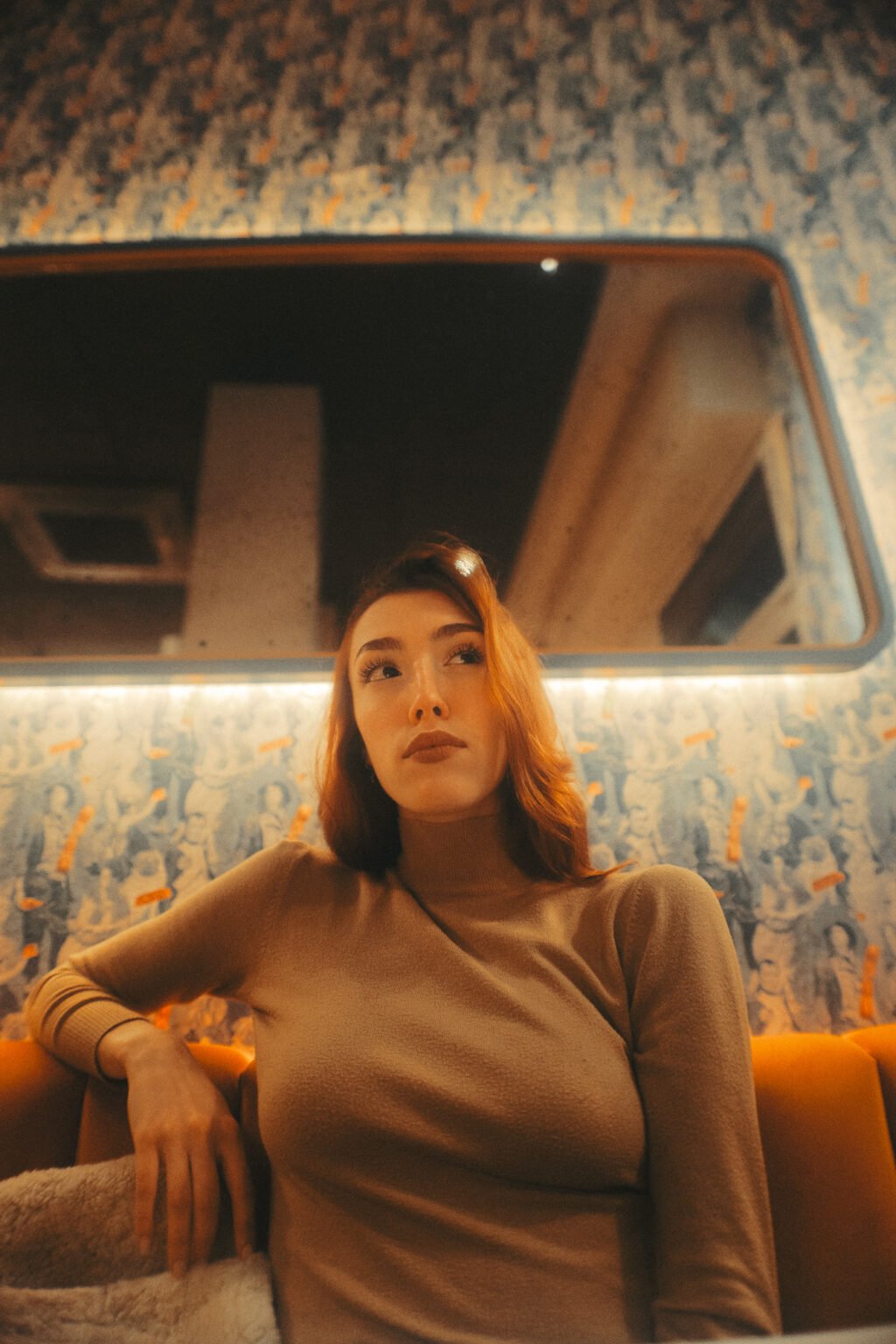
I tested the Sun Telenet EE and the Chinon 08 during a photoshoot with Silvia in Milan.
The Sun Telenet EE covers most of the frame, but this comes at a cost:
Strong light can create effects outside the frame.
The minimum focusing distance increases by about 20 cm, although this is partially offset by macro mode.
Despite that, the result exceeded my expectations.
Sun Telenet EE Gallery – 42 mm





Chinon 0.8x – 22mm

Step 9: what the Q3 43mm confirmed
Testing the same lenses on the Leica Q3 43 confirmed the second hypothesis.
At 43mm, vignetting was much easier to control and the overall quality held up better than at 28mm.
Final Note: This was never about finding a perfect or modern solution.
It was all about experimenting, failing, testing and understanding just how far a fixed-lens camera can be pushed with a bit of ingenuity and a lot of patience.